Programme pédagogique
The diverse instrumental approach to the organ stands as a cornerstone in organ teaching. Today's organists must possess the skill to adapt to the myriad types of instruments—both ancient and modern—found in churches and concert halls. This adaptation necessitates the study of various techniques, informed by ancient texts that elucidate the methods of playing music on specific instruments. Being an organist in the contemporary context also entails the ability to transpose ancient playing modes to more recent instruments. For instance, understanding how to render a Bach composition effectively on a 19th-century instrument, all while anchoring the approach within a historically informed conception.
Improvisation holds a significant place in the training of organists, alongside accompaniment for various contexts such as concerts and liturgies involving solo voices, choirs, instrumental ensembles, and more.
Contemporary music is now recognized as an independent subject, yet closely intertwined with repertoire music. In this regard, we guide students throughout their studies, teaching them the art of crafting diverse and meaningful programs. This includes techniques such as echoing an early work with a contemporary piece, illustrating the dynamic interplay between different musical periods.
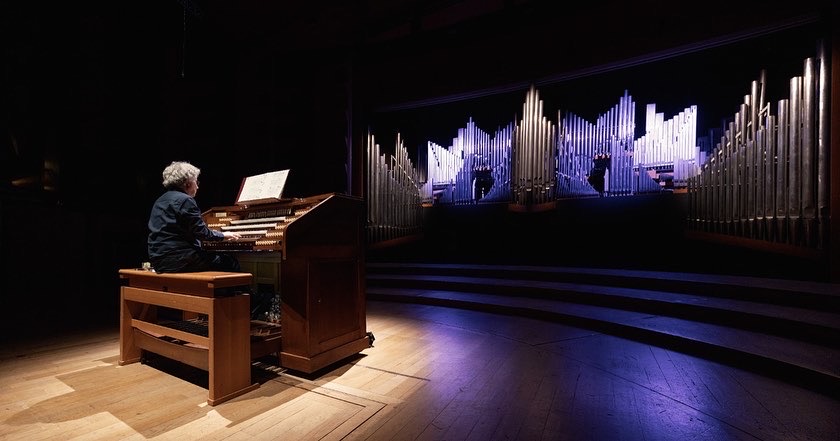
Involvement in chamber music, orchestral collaborations, and choral projects provides students with a firsthand understanding of the realities within the profession. Similarly, engaging in solo concerts on Brussels' most captivating organs further enriches their practical experiences.
Every year, study trips are organized, allowing students to visit and play some of Europe's most emblematic instruments. This provides them with valuable insights into the diverse realities they will encounter in their professional lives.
In this context, an understanding of organ building is also essential. This includes learning how to tune the instrument personally before a concert and addressing any malfunctions that may arise.
The organ is a remarkable instrument that not only unlocks the door to culture, heritage, and history but also opens up the world through its numerous travels and encounters.
It is with a spirit of joyful discovery that I personally find gratification in teaching. My aim is to transmit passion, patience, attentive listening skills, and a love for both music and the instrument through meaningful interactions with students at the Brussels Conservatory. Above all, I emphasize personal development through music, striving to ensure that students not only excel in their musical pursuits but also feel content and fulfilled in their lives as musicians.
A vast program...
 English (UK)
  Français