Programme pédagogique
Through this research, the class aims to provide a sonic representation of the diverse violoncelli, acknowledging that this representation is an ongoing development. The class strives to refine and distinguish the violoncello-basso from the violoncello-solo in the contemporary curriculum of baroque cellists. This involves exploring various instruments, playing positions, chords, ornamentation, and aspects of training and 'virtuosity.'
To organize this comprehensive learning process, the academic year is segmented into four two-month periods referred to as 'learning blocks.' These blocks are selected from a pool of 26 blocks encompassing solo cello repertoire from 1550 to 1780. Each block delves into a distinct period and geographical context in the cello's history, exploring solo repertoire. The class delves into various sources (treatises, scores, books, articles, iconography, etc.) and ensures appropriate organology by providing specific instruments.
In addition to individual lessons, students actively participate in a 2-hour group lesson each week. This group session serves as a platform to delve into the extensive content of the current block, involving activities such as reading documents, listening to a plethora of often lesser-known pieces, and engaging with specialists in the covered subjects. One block is revisited annually: 'Bach and his Sons,' where each student performs a complete suite every year.
Since 2020, the cello class at the Conservatoire has undertaken an ambitious and distinctive project: the development of a method for learning historical techniques that are specific to the cello but have, to a certain extent, faded with time. This includes harmonic basso continuo inspired by Neapolitan partimenti and idiomatic ornamentation that incorporates rhetorical principles to align with the 'good taste' of the era and locale. The Brussels Conservatoire has generously funded six years of research for the creation of this distinctive historical cello method.
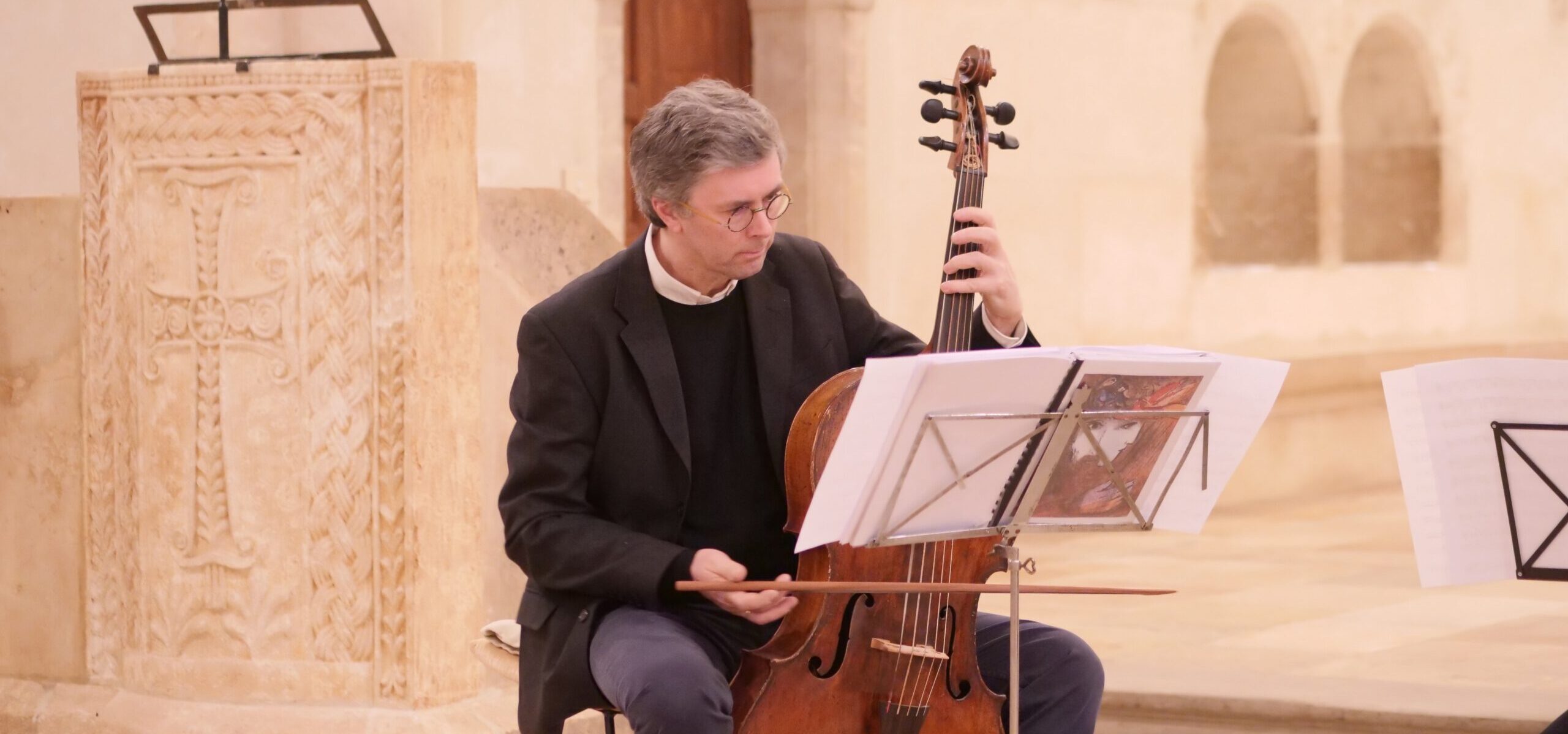
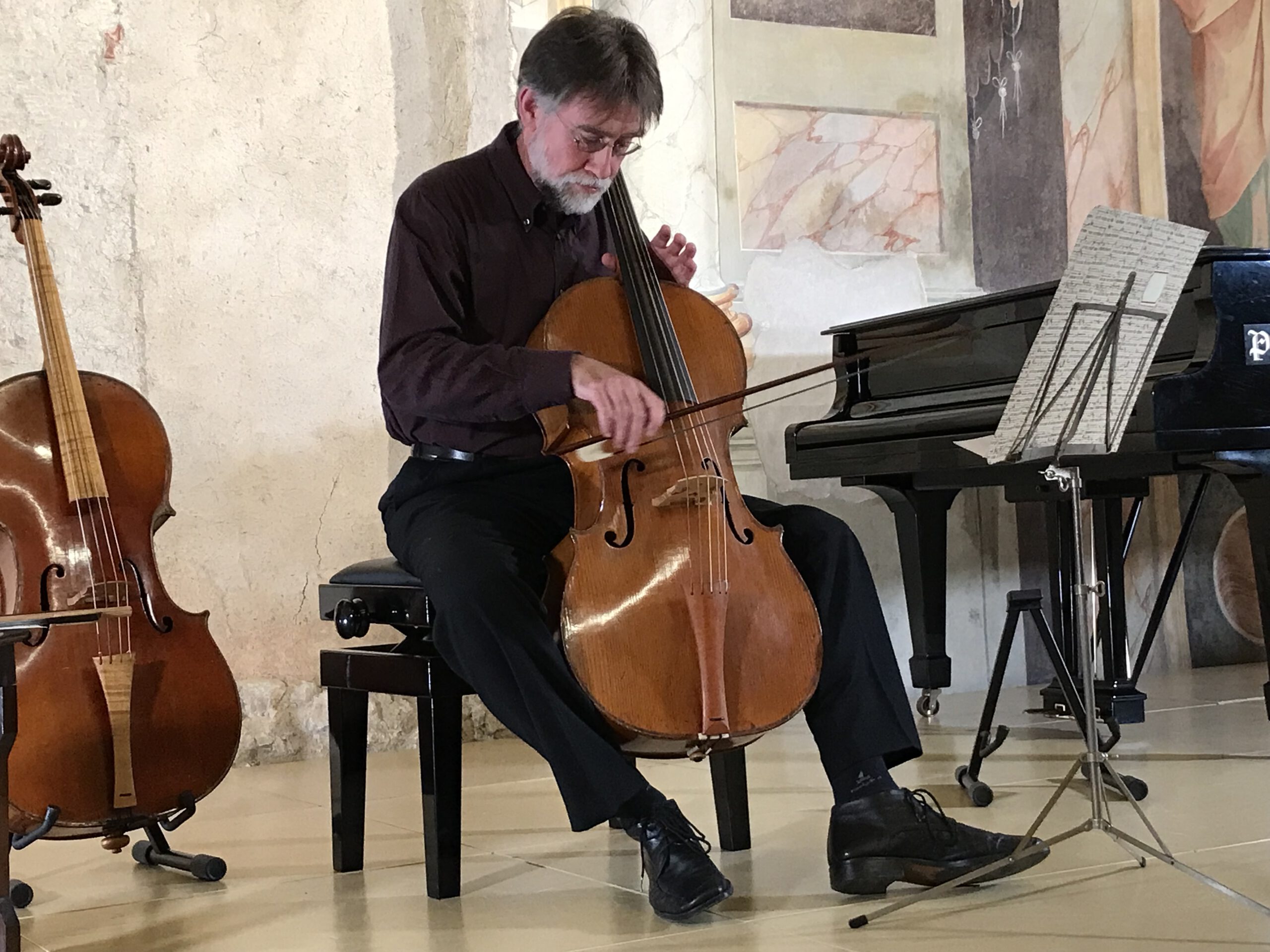
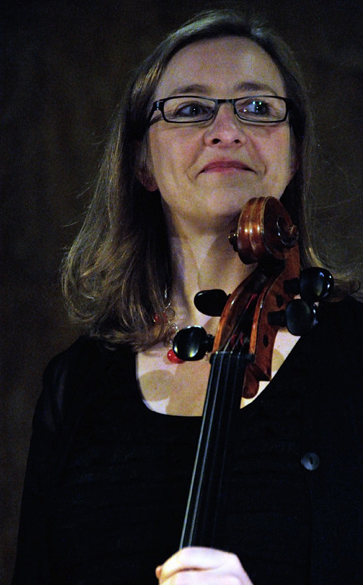
The class is led by five teachers, each bringing specific and complementary skills to the table. Additionally, the involvement of certain students, with diverse backgrounds, dedication to their work, and inquisitiveness, fosters the development of unique skills. These interactions contribute to a dynamic class and research environment, resulting in structured learning, mutual support, and strong group cohesion.
This class is an integral part of the Royal Conservatory of Brussels' early music department, which offers a diverse array of courses crucial for the intelligent practice of baroque music. Over the years, our department has established itself as a cross-disciplinary learning environment, often referred to as a 'village,' where students can engage in experimentation and seek answers to their myriad questions.
The Brussels Conservatoire's baroque cello class stands out as a unique learning environment, demanding for both students and teachers due to the cumulative expertise and skills it incorporates.
 English (UK)
  Français